Defining Uplink Types
You define uplink types in the Sites & Networks page.
An uplink type is a name for similar functioning uplinks. On the SCC, uplink types can be used across multiple sites and path selection rules can be created using these names. The name must be unique at a site (but it can be same across different sites) so that the system can detect which path selection rule uses which uplinks. Because path selection rules are global on the SCC, you are restricted to 8 uplink types.
Uplink types are the building blocks for path selection. You select the path preference order using the uplink types created, and it is used in various sites. Riverbed recommends that you reuse the same uplink types at different sites in order to label uplinks based on the preference for path selection. For example, you can label uplink types as primary, secondary, and tertiary based on the path selection preference. The uplink type can be based on the type of interface or network resource, such as Verizon or global resource of uplink abstraction that is tied to a network.
Note: On the SteelHead, this field is called the Uplink Name, on the SCC it is the Uplink Type. Riverbed recommends using the same name for an uplink in all sites connecting to the same network.
To define an uplink type
1. Choose Manage > Topology: Sites & Networks to display the Sites & Networks page.
2. Under Uplink Types, click the > to expand the page.
3. Click the + to display the New Uplink Type dialog box.
Figure: New Uplink Types
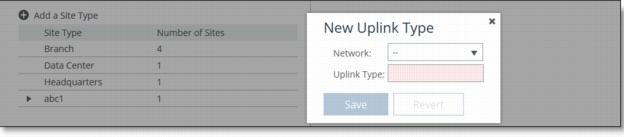
4. Complete the configuration as described in this table.
Snappet Pupil ⇒ [ QUICK ]
The term is not an exclusive club for the gifted or the tech-savvy. It is an attainable identity for any student given the right environment: immediate feedback, teacher support, and a culture that celebrates error-driven growth.
: Students can access specific lessons and goals assigned by their teacher, ensuring they stay on track with the classroom curriculum. snappet pupil
If you tell me who the is (e.g., parents, fellow teachers, or school administrators), I can help you: Refine the tone (professional vs. enthusiastic) The term is not an exclusive club for
Snappet allows for differentiation. Stronger pupils can skip to challenge exercises, while struggling pupils receive scaffolding. The ideal Snappet pupil learns to manage their own pace without constant teacher redirection. They understand that the green checkmark means "mastery" and the orange dot means "needs review." If you tell me who the is (e
Because the Snappet pupil isn't just using an app—they’re learning how to learn. They’re less afraid of mistakes (mistakes become data) and more engaged in lessons (lessons adapt to them).
Pupils receive immediate feedback on their answers, allowing them to understand where they went wrong and correct it instantly. Progress Tracking:
Snappet is a digital adaptive learning platform primarily used in primary schools. In the
5. Click Save to save your settings.