Founded in 1995, GSC Game World has become the most renowned game development studio in Ukraine and a leading developer in Europe. Since 2004 the proprietary worldwide publishing branch has been operating within the company.
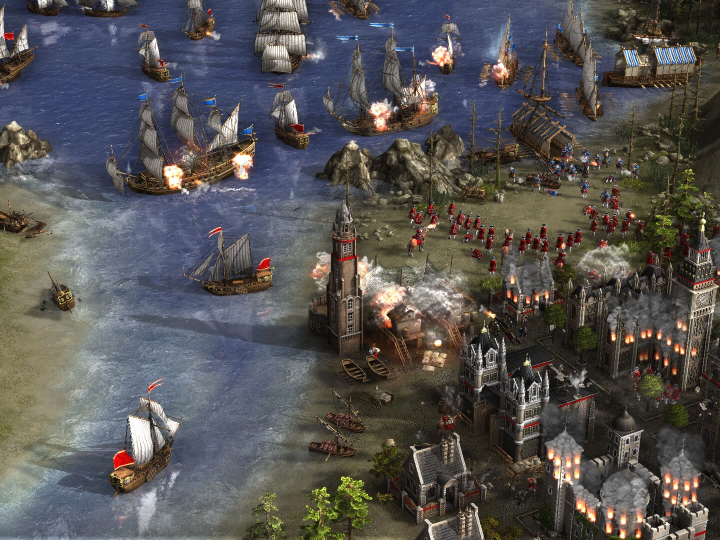
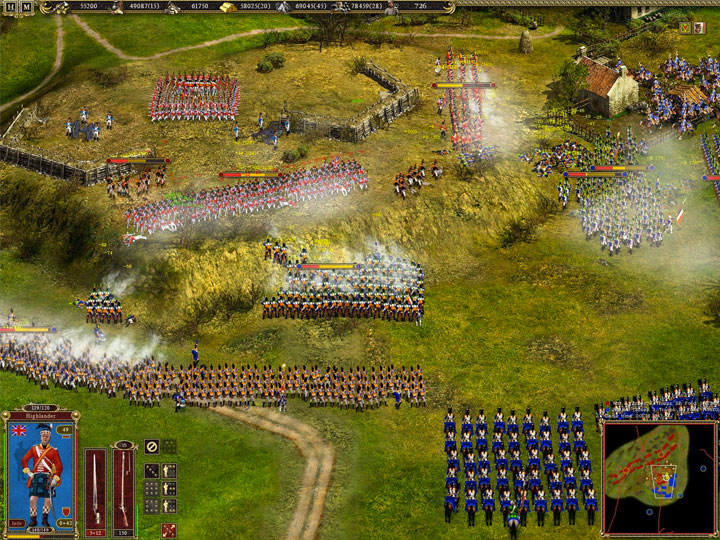
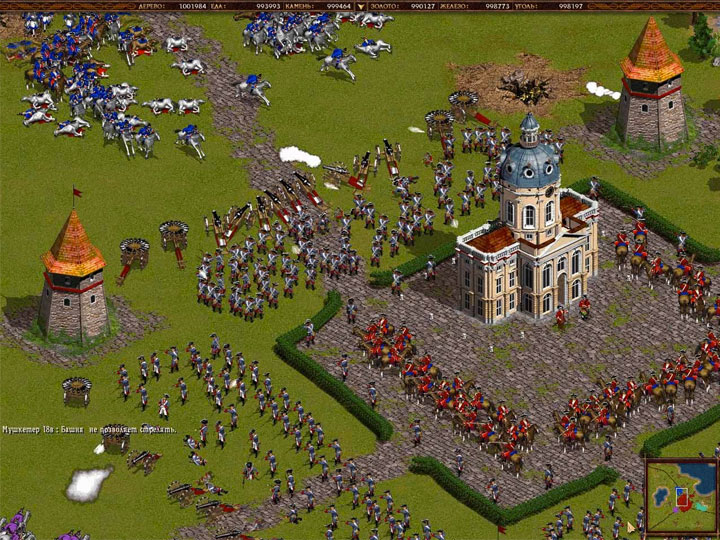
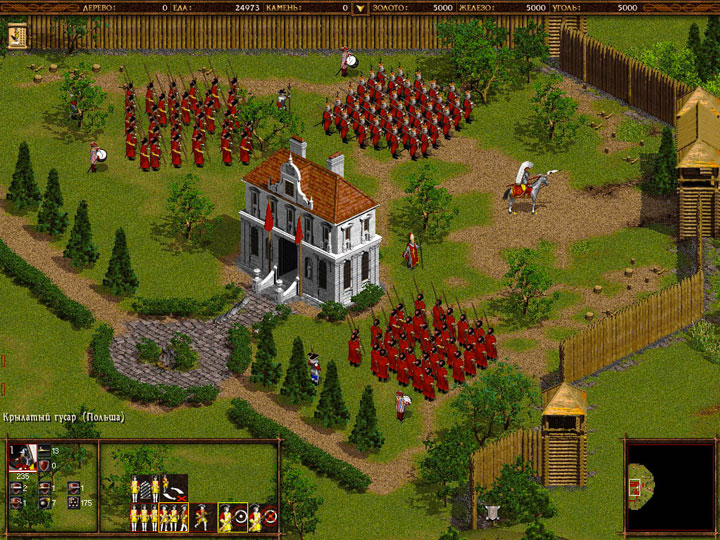
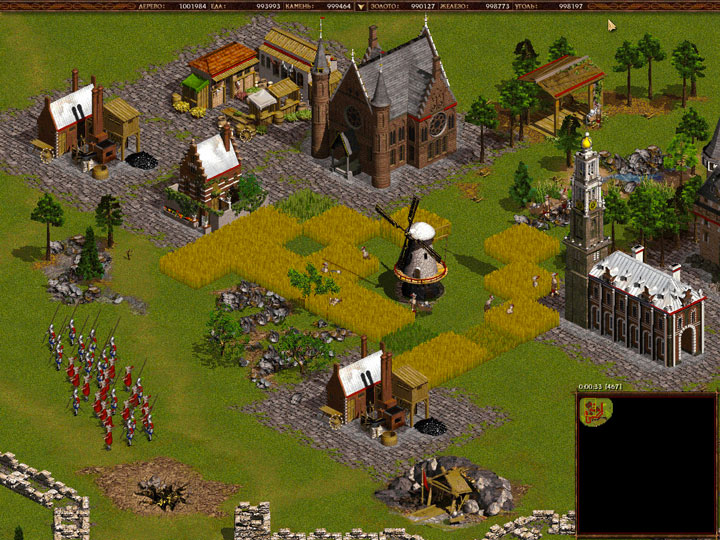
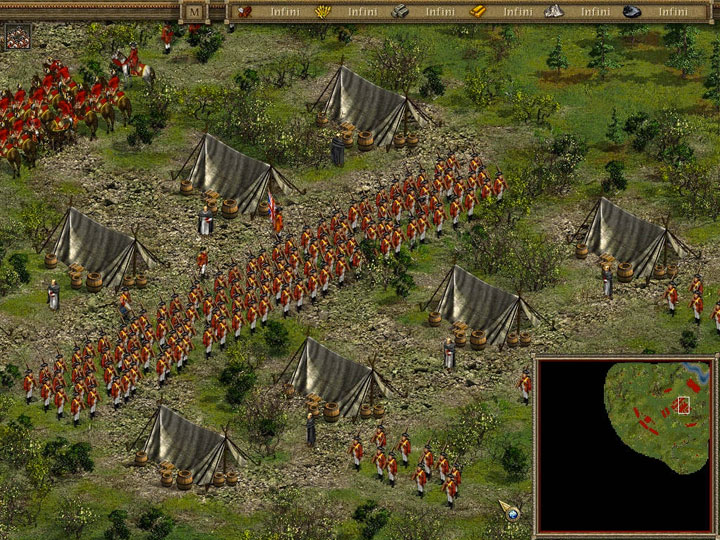
The revolutionary Cossacks: European Wars RTS title became the company's first hit, selling, along with its two add-ons, over 5 million copies worldwide.
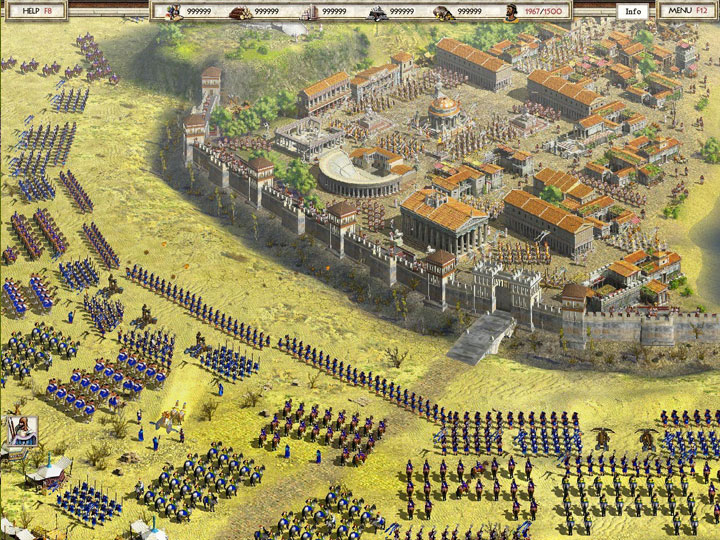
In 2004 the studio enjoyed its first experience of working on a Hollywood movie license, while developing the tie-in RTS based on Oliver Stone's blockbuster film Alexander. The game was released simultaneously with the movie and was self-published by GSC in former USSR territories.
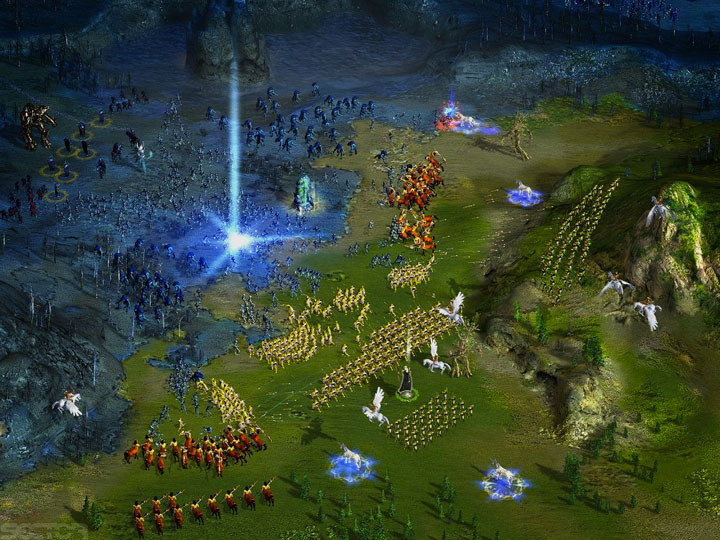
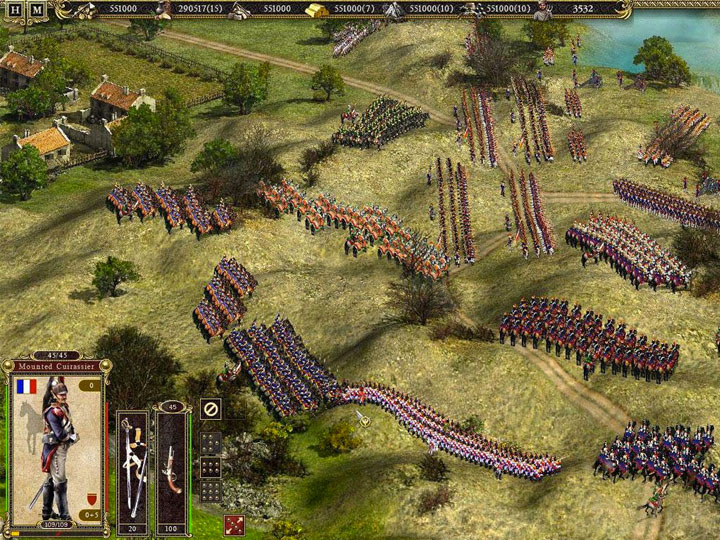
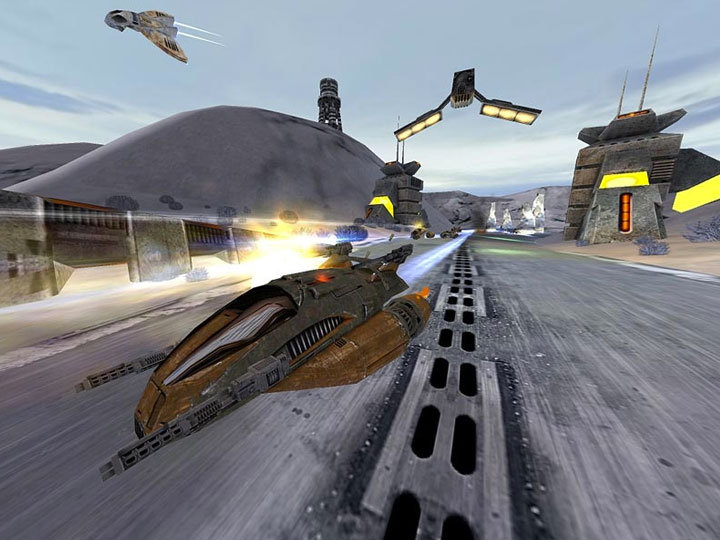
Since August 2004, GSC World Publishing has launched 7 projects: Alexander (2004), Cossacks 2: Napoleonic Wars (2005), Cossacks 2: Battle for Europe (2006), Heroes of Annihilated Empires (2006), S.T.A.L.K.E.R.: Shadow of Chernobyl (2007), S.T.A.L.K.E.R.: Clear Sky (2008), S.T.A.L.K.E.R.: Call of Pripyat (2009).
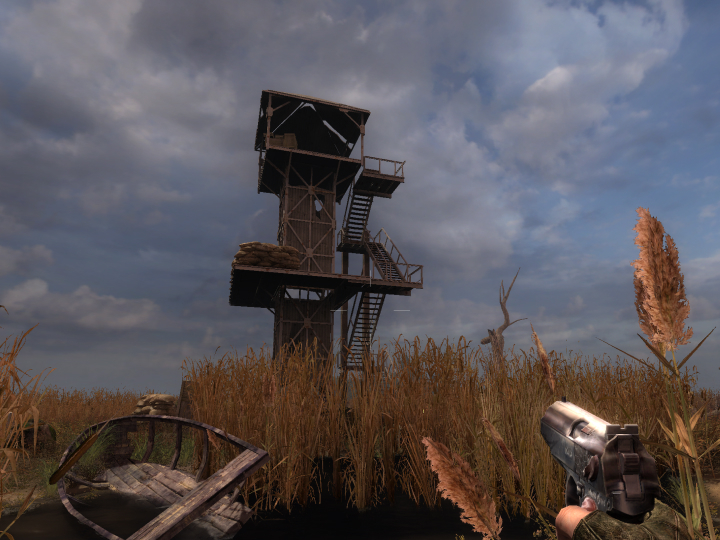
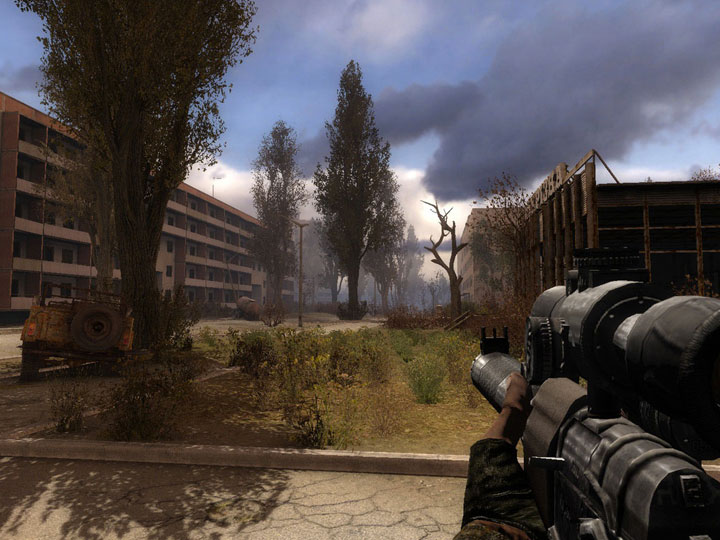
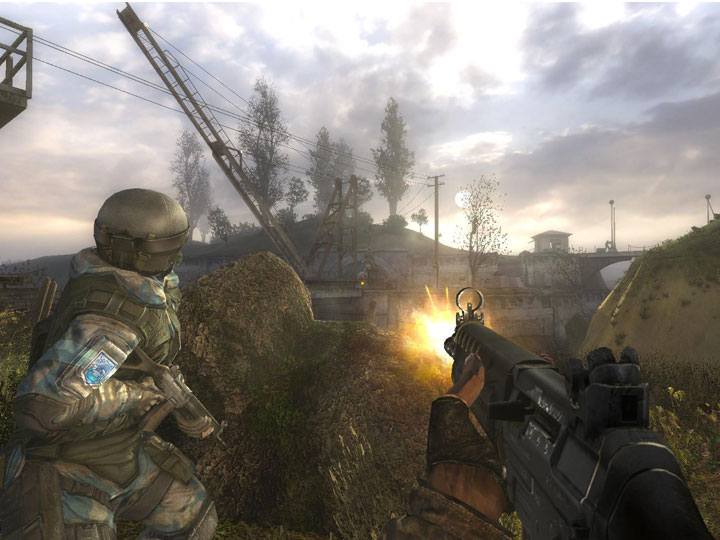
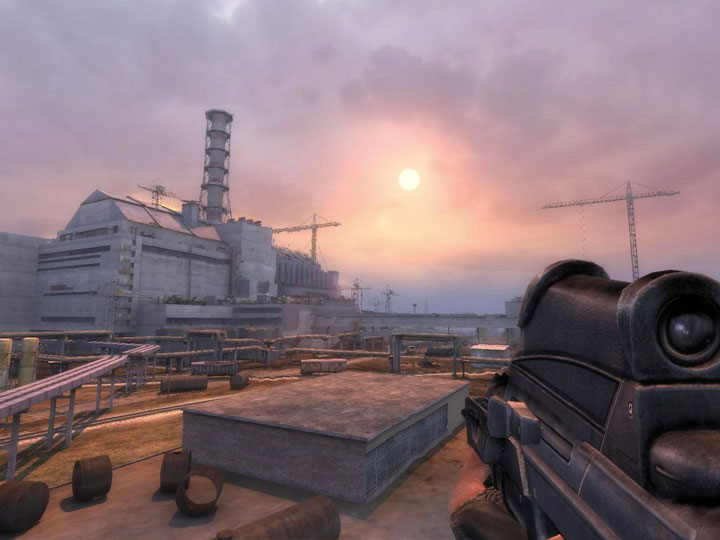
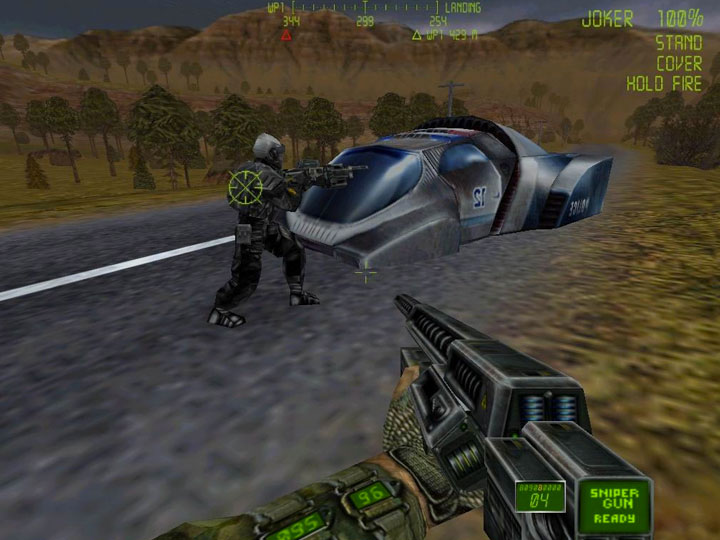
In April 2007 the company's most ambitious project - Survival FPS S.T.A.L.K.E.R.: Shadow of Chernobyl, set in the near-future Chornobyl exclusion zone, was released worldwide. GSC World Publishing was in charge of publishing the title in former USSR territories, while THQ Inc. operated the worldwide release.
The game received numerous awards at some of the biggest international trade shows, and received high critical acclaimed from both print and online media and from the players themselves. The success of the game has been proven not only by the 'Game of the Year' and 'Most Atmospheric Shooter' awards, but also by maintaining top spots on sales charts.
In the former USSR states alone, the game sold over half a million copies in the first two weeks. With the two subsequently released add-ons, the worldwide sales of the S.T.A.L.K.E.R. game series approach five million copies to-date.
Following the strategy of further brand development, GSC Game World initiated a series of S.T.A.L.K.E.R.-based novels (published in Russian and German), and have sold over 5 million copies overall.
Cossacks 3, released in September 2016, put furious battles of XVII-XVIII centuries into 3D.
Topic: "Malayalam kambi kathakal kochupusthakam stories new" — an expressive examination 1. Clarifying the phrase and assumptions
I interpret this phrase as seeking an analysis of recent (or "new") short-format Malayalam erotic/sex stories (kambi kathakal) possibly published as small booklets or pamphlets (kochupusthakam — literally “small book”) or circulated online. I'll treat "kambi kathakal" as adult erotic fiction in Malayalam and focus on form, themes, history, distribution (print and digital), readership, cultural context, literary quality, ethics/consent issues, and how new works differ from older ones.
2. Historical and cultural context
Malayalam literature has long included frank treatments of desire, gender and sexuality from classical poetry to modern prose; however, explicitly erotic short stories (kambi kathakal) occupy a marginal, often underground niche because of social conservatism and censorship. Traditionally circulated as clandestine chapbooks (kochupusthakam) or oral retellings, these texts offered sexual fantasy outside mainstream literary spaces and were read privately. malayalam kambi kathakal kochupusthakam stories new
3. Form and style
Typical length and format: brief, punchy narratives — often single-situation scenes rather than long arcs — matching the "kochupusthakam" brevity. Language: colloquial Malayalam with direct, unadorned descriptions; frequent use of regional idioms and street speech to evoke immediacy and intimacy. Narrative voice: first-person confessional and close third-person are common, creating voyeuristic or confessional tones. Pacing: fast, focused on physical detail and erotic build-up; minimal subplot or character development in many pieces. Literary devices: imagery tied to domestic spaces and quotidian objects; sensory detail prioritized over psychological depth.
4. Common themes and tropes
Domestic transgression: affairs, neighborly encounters, household servants — eroticism arising within everyday settings. Power dynamics: teacher-student, employer-employee, age-gap relationships — often fetishized. Forbidden desire: marital boredom, suppressed longings; erotica as escape. Fantasy vs. reality blurring: scenarios that emphasize risk, secrecy, and transgression. Fetishization of local markers (dress, caste-sensitive cues, regional manners) which can exoticize or stereotype.
5. New trends compared to older chapbooks
Digital shift: Many new kambi kathakal are published online (blogs, forums, messaging apps), increasing anonymity for authors and wider circulation. Narrative experimentation: newer writers sometimes incorporate more varied POVs, longer character arcs, and occasional attempts at psychological nuance. Hybridization: mixing erotic content with social commentary (gender inequality, sexual agency) — some writers use erotica to critique norms. Professionalization: some authors self-publish e-books or serialized stories, introducing serial structure, paid chapters, or subscriber models. Visuals and multimedia: inclusion of suggestive cover art, comics, or short audiovisual clips on platforms. Social reception: stigma persists
6. Audience and reception
Readership: adult, predominantly male but with a growing number of female readers and authors; younger urban readers accessing digital content more easily. Social reception: stigma persists; consumption often private. Public discussion is limited, though online communities create spaces for sharing and critique. Literary marginalization: mainstream literary critics often dismiss kambi kathakal as lowbrow; however, some works attract attention for stylistic merit or social insight.
For back-catalogue and licensing inquiries please contact [email protected]
Please address technical support inquiries to [email protected]
If you have any other questions, please feel free to contact us at [email protected] or fill in the form:
Copyright © 2026 — Sleek Library. All rights reserved.
SSL Security  by SSLs.com