: This typically refers to a user-generated directory. In many online communities (such as those for game modifications or software cracks), creators like "Vlad" host their collections in a centralized folder for easy access. Common Contexts :
We’ve all been there—a cluttered "Downloads" or "Project" folder filled with cryptic filenames like vlad_final_v2.pdf or filedot_export_0416.csv . Managing high-volume documentation manually isn't just tedious; it's a bottleneck for real work. filedot vlad folder
And at the top, the root directory: vlad > earth > humanity > filedot . : This typically refers to a user-generated directory
Accessing these folders often involves navigating a complex layer of "link-shorteners" and "interstitials." These are used by curators to monetize their traffic or protect the original Filedot link from being flagged by automated bots. Consequently, a secondary industry of "bypass scripts" has emerged. Users often seek automated tools to strip away the advertising layers of a "filedot link" to reach the "vlad folder" directly. This creates a technical arms race between link protectors and those seeking seamless access. Conclusion Consequently, a secondary industry of "bypass scripts" has
In many technical setups, a "Vlad folder" refers to the local directory where users install and run . This software is a high-performance alternative to the standard Automatic1111 web interface for Stable Diffusion .
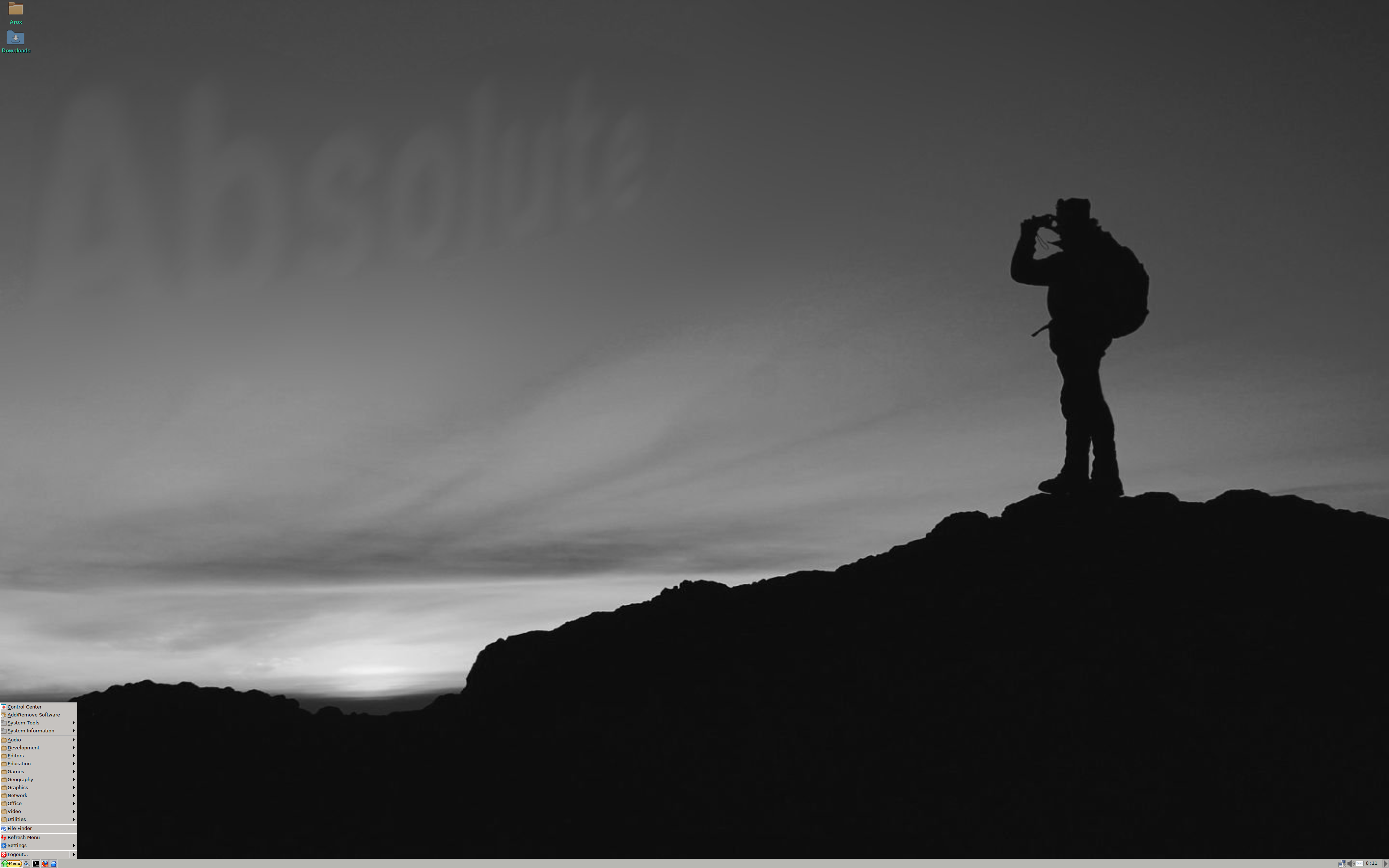
Absolute Linux will continue development under eXybit Technologies, built with the same approach and
structure we've used to develop RefreshOS. We're not here to reinvent what made Absolute great, we're here
to carry it forward.
Since 2007, Absolute has stood for being simple, pre-configured, and lightweight. Slackware made easy.
That core philosophy isn't changing. Absolute will always be free, open-source, built for ease of use,
and based on the Slackware foundation.
As of now, there is no set release date for the first eXybit-developed stable version of Absolute Linux. We're bringing Absolute into modern computing while keeping it minimal. The first step is to preserve what already exists, rebuild the underlying infrastructure, and create a canary version of the next major stable release.
You can still download the original versions of Absolute Linux by Paul Sherman on SourceForge.