If you are currently running v2.1, the jump to v2.2 is a no-brainer. It doesn’t radically change the UI or break your workflow, but the output quality is significantly higher.
This became the unofficial motto of the tool. Because it was so easy to use, the community was suddenly flooded with:
★★★★☆ (Essential for Procedural Devs)
New lightweight hydraulic erosion pass adds natural-looking river valleys and sediment deposits.
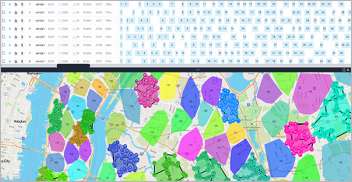
The "story" of is a classic tale of a community-made tool that became a legend for its ambition, quirks, and the creative chaos it enabled for Hearts of Iron IV (HOI4) modders. 🎨 The Tool That Built Worlds
For designers who prefer a hands-on approach, the "Guided Randomness" feature has been expanded. This allows users to paint broad strokes—identifying where they want a coastline, a volcano, or a canyon—while letting the MapGen v2.2 algorithms fill in the granular details. This hybrid workflow ensures that the procedural output aligns with the game’s narrative and mechanical requirements without sacrificing the variety that randomness provides.
Mapgen V2.2 Upd | Plus
If you are currently running v2.1, the jump to v2.2 is a no-brainer. It doesn’t radically change the UI or break your workflow, but the output quality is significantly higher.
This became the unofficial motto of the tool. Because it was so easy to use, the community was suddenly flooded with: mapgen v2.2
★★★★☆ (Essential for Procedural Devs) If you are currently running v2
New lightweight hydraulic erosion pass adds natural-looking river valleys and sediment deposits. Because it was so easy to use, the
The "story" of is a classic tale of a community-made tool that became a legend for its ambition, quirks, and the creative chaos it enabled for Hearts of Iron IV (HOI4) modders. 🎨 The Tool That Built Worlds
For designers who prefer a hands-on approach, the "Guided Randomness" feature has been expanded. This allows users to paint broad strokes—identifying where they want a coastline, a volcano, or a canyon—while letting the MapGen v2.2 algorithms fill in the granular details. This hybrid workflow ensures that the procedural output aligns with the game’s narrative and mechanical requirements without sacrificing the variety that randomness provides.